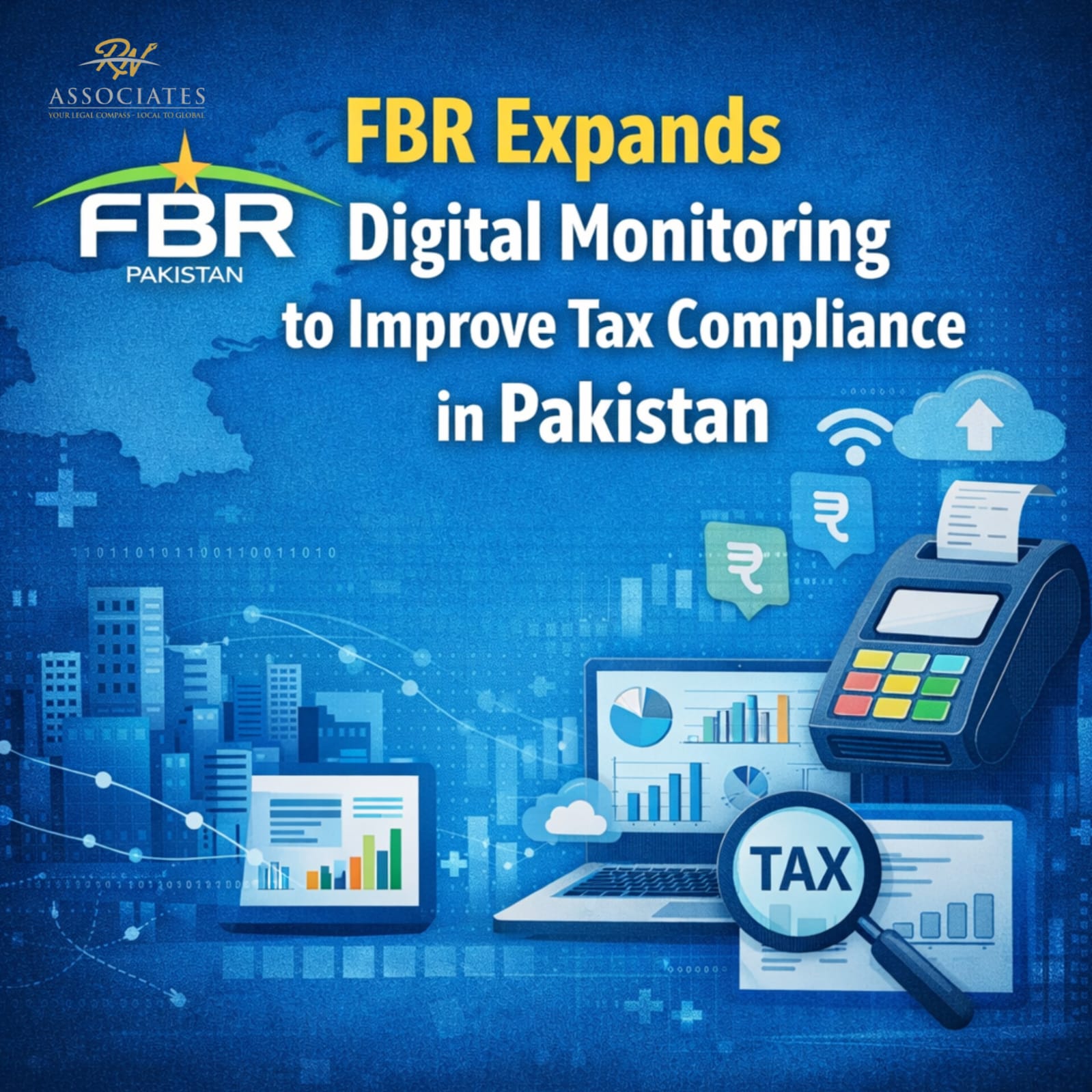
Pakistan’s tax authority, the Federal Board of Revenue (FBR), is strengthening its digital monitoring system to improve tax compliance and reduce tax evasion across the country. The initiative is part of the government’s broader strategy to modernize tax administration and bring more businesses into the documented economy.
With increasing reliance on technology, the FBR is integrating advanced digital tools to track business transactions, monitor sales data, and ensure that companies properly report their taxable income.
Digital Monitoring System: A Major Step Toward Transparency
The Federal Board of Revenue has been working to implement digital monitoring across various sectors, especially in retail and wholesale businesses. Through these systems, authorities can monitor transactions in real time, which helps detect underreporting of sales and unpaid taxes.
One of the key objectives of digital monitoring is to create a transparent tax system where business activities are recorded electronically and verified through automated systems.
This digital approach also helps reduce manual errors and improves the efficiency of tax collection.
Expansion of the POS Integration System
A significant part of this initiative is the expansion of the Point of Sale (POS) integration system. Under this system, large retailers are required to connect their POS machines directly with the Federal Board of Revenue database.
This allows the tax authority to receive real-time information about sales transactions. By monitoring sales data instantly, the FBR can identify discrepancies between reported income and actual sales activity.
Businesses that are connected to the POS system are also encouraged to issue computerized receipts to customers, which promotes transparency and accountability.
Benefits for Pakistan’s Economy
The expansion of digital monitoring is expected to bring several long-term benefits to Pakistan’s tax system.
Key benefits include:
- Improved tax compliance among businesses
- Reduction in tax evasion and undocumented transactions
- Greater transparency in retail and commercial sectors
- Increased government revenue for national development
- Fair taxation by reducing the burden on existing taxpayers
By digitizing the tax monitoring process, authorities aim to ensure that every eligible business contributes its fair share to the national economy.
Encouraging Businesses to Become Compliant
The Federal Board of Revenue is also encouraging businesses to voluntarily comply with tax regulations by adopting digital systems and maintaining proper financial records.
Companies that align themselves with modern tax compliance systems may benefit from smoother audits, improved credibility, and easier financial management.
Tax experts believe that adopting digital tools will also help businesses build stronger financial transparency, which is increasingly important for international trade and investment.
Future of Digital Tax Administration in Pakistan
The government plans to continue expanding digital monitoring across additional sectors in the coming years. This includes further integration of retailers, service providers, and online businesses into the digital tax ecosystem.
As Pakistan moves toward a more technology-driven tax framework, digital monitoring will play a critical role in strengthening the country’s revenue system and ensuring fair tax practices.
Conclusion
The expansion of digital monitoring by the Federal Board of Revenue marks an important step toward improving tax compliance in Pakistan. By leveraging technology and real-time data tracking, the tax authority aims to reduce tax evasion, enhance transparency, and strengthen the national economy.
Businesses are encouraged to adopt these systems early and remain compliant with tax regulations to avoid penalties and contribute to Pakistan’s economic growth.