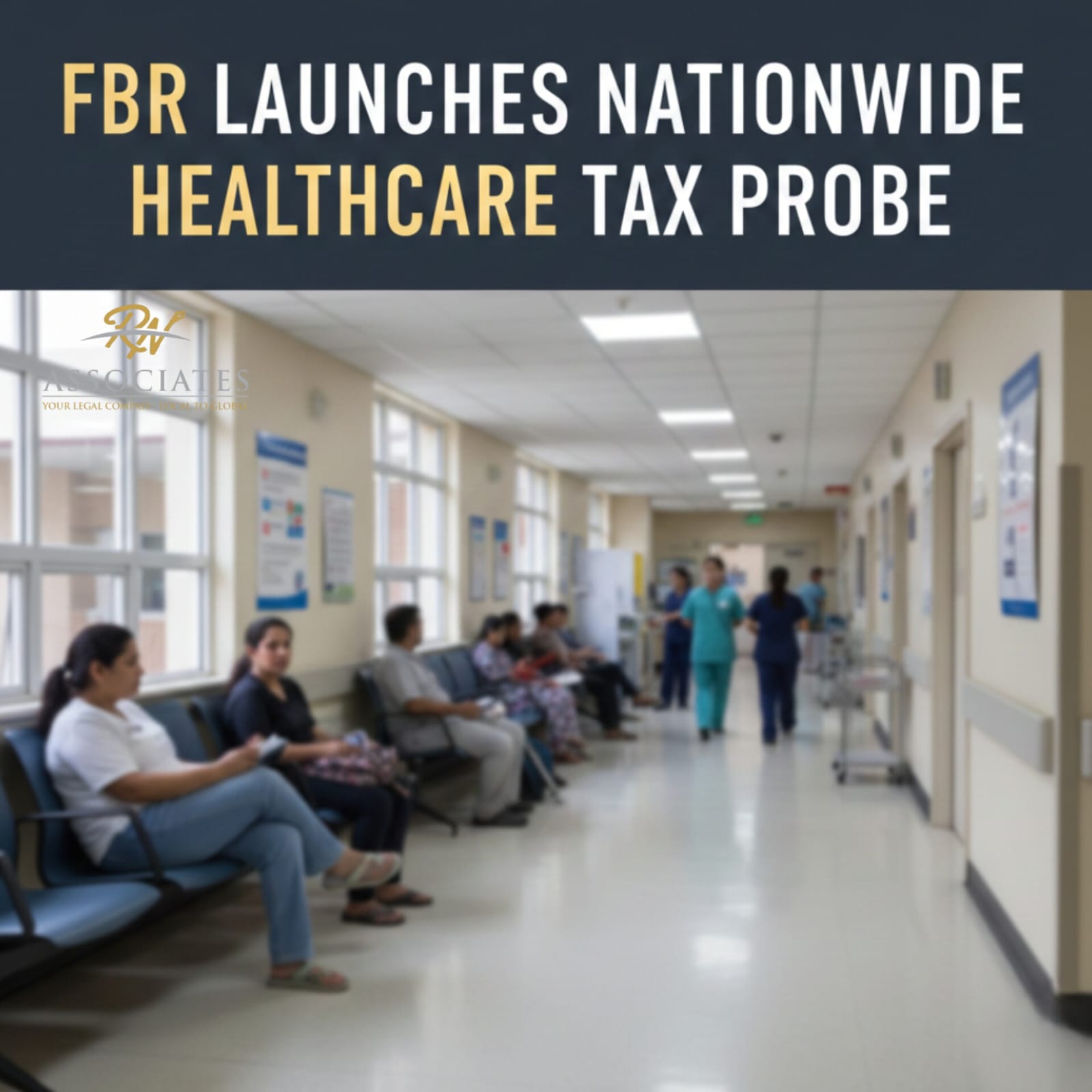
The Federal Board of Revenue (FBR) has initiated a major nationwide probe targeting doctors and hospitals by closely examining patients’ health bills. This move is part of FBR’s broader strategy to curb tax evasion and bring greater transparency to income reporting within Pakistan’s healthcare sector.
Why FBR Is Investigating the Healthcare Sector
According to officials, FBR has observed a significant gap between the income declared by many doctors and hospitals and the actual revenue generated from medical services. Despite charging substantial consultation fees, diagnostic charges, and hospital bills, a large number of healthcare providers reportedly declare minimal taxable income.
To address this issue, FBR has decided to verify real earnings by reviewing health bills issued to patients, including consultation slips, diagnostic invoices, hospital admission bills, and treatment receipts.
How the Investigation Will Work
Under this campaign, FBR teams will:
Collect and analyze patients’ medical bills from hospitals, clinics, and laboratories
Match billed amounts with income declared in tax returns
Identify discrepancies between actual earnings and reported income
Issue notices to doctors and hospitals found underreporting income
Special focus will be placed on private hospitals, diagnostic centers, and high-earning medical practitioners operating in major cities.
Impact on Doctors and Hospitals
Doctors and healthcare institutions failing to justify mismatches in income records may face:
1.Tax audits
2. Penalties and fines
3.Recovery of unpaid taxes
4.Possible legal action in serious cases
FBR officials have emphasized that the goal is not harassment but ensuring fair tax compliance across all sectors.
What This Means for Patients
For patients, this initiative is unlikely to directly affect treatment or billing procedures. However, FBR may encourage the public to retain medical bills as proper documentation. Increased documentation could also promote transparency and reduce undocumented cash transactions in the healthcare industry.
A Step Toward Fair Taxation:
The healthcare sector has long been considered one of the most under-taxed segments of the economy. By using health bills as a verification tool, FBR aims to:
1.Broaden the tax base
2.Promote documented economic activity
3.Ensure equal tax responsibility for all income groups
4.This probe reflects the government’s increasing focus on data-driven enforcement and accountability.
Conclusion:
FBR’s latest action signals a strong push toward transparency and fair taxation in Pakistan’s healthcare sector. Doctors and hospitals are now expected to align their declared income with actual earnings, while patients may play a small but important role by keeping proper billing records. As the campaign progresses, it could mark a significant shift toward a more documented and compliant healthcare economy.