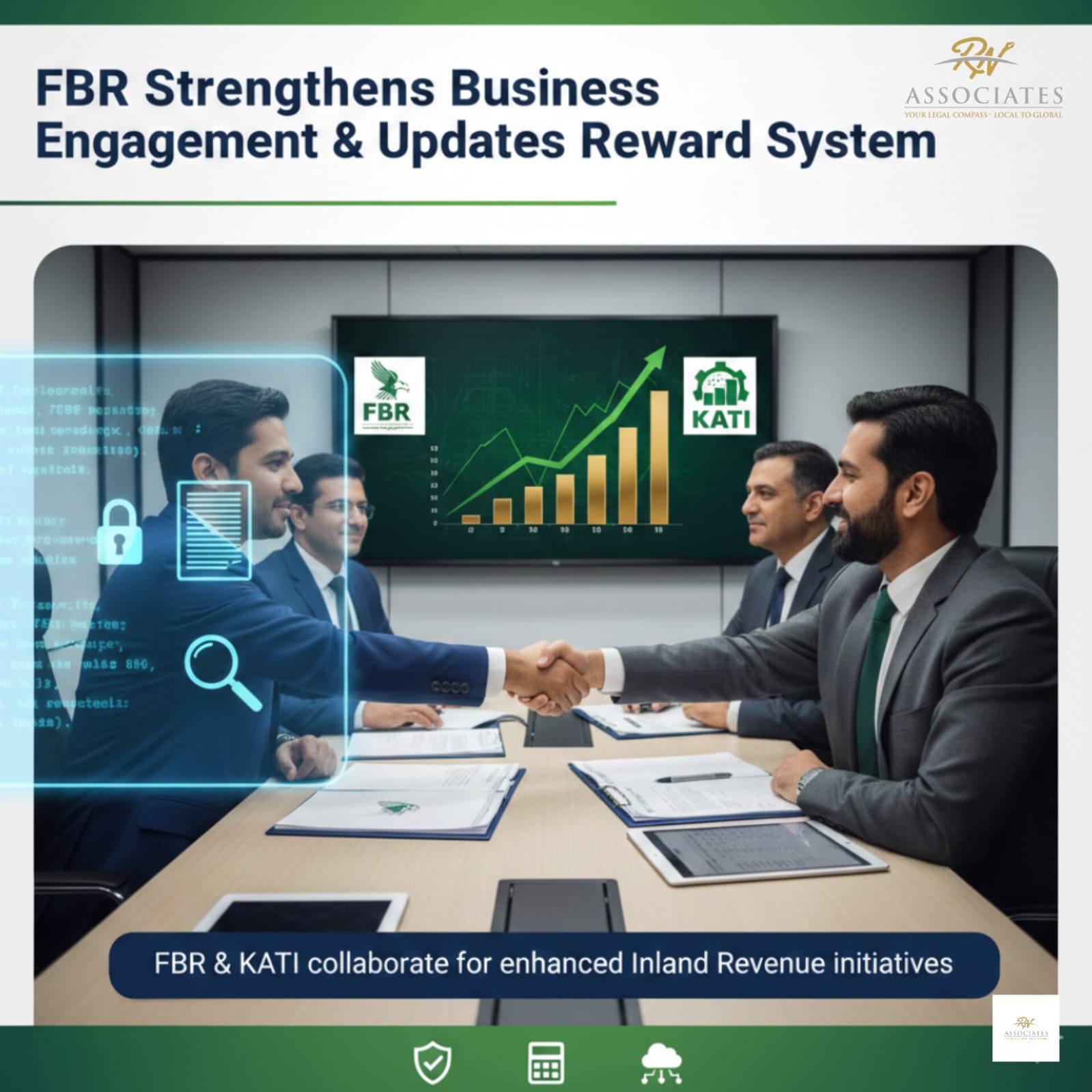
FBR Reassures the Korangi Association of Trade & Industry
In a meeting with the Korangi Association of Trade and Industry (KATI) — represented through the Korangi Association of Trade and Industry — the Federal Board of Revenue (FBR) expressed its commitment to addressing long-standing tax concerns experienced by industrial stakeholders.
Key Developments
- Inland Revenue Service Chief Commissioner Ahmed Kamal assured KATI leadership that FBR will work alongside trade bodies to identify and register non-filers, helping to expand Pakistan’s tax base.
- A dedicated focal person, Ahmed Mukhtar Shahani, has been appointed at KATI to facilitate the resolution of issues specific to the Korangi industrial zone.
- FBR emphasized its mission to support compliant taxpayers, reiterating that harassment by tax officials will not be tolerated.
- Upcoming awareness seminars will provide guidance to small manufacturers and traders on filing procedures and compliance frameworks.
The authority clarified that no new audit drives are being launched; instead, the focus remains on completing existing audits.
Business Impact
This collaborative approach indicates a shift toward building trust between the tax authority and industries.
By reducing friction and offering clear communication channels, the move is expected to improve business confidence, compliance culture, and transparency.
FBR Raises Reward Ceiling for Inland Revenue Officials
In another significant development, FBR has approved an increase in the maximum reward for Inland Revenue officials, a reform aimed at improving performance and morale within the tax administration.
Key Highlights of the New Reward Policy
The reward limit has been increased from 18 salaries to 24 salaries per financial year for exceptional performance. Separate evaluation categories have been created for:
- Ex-cadre officers (BS-16 and above)
- Staff members (BS-1 to BS-15)
A weighted assessment mechanism will be used, involving commissions, senior committees, and transparent scoring to ensure fairness.
Pakistan Revenue Automation Ltd (PRAL) has been instructed to develop and implement an IT-based reward system, ensuring digital transparency and minimizing manual interference.
Implications
A more structured and transparent reward mechanism may encourage better performance and accountability across the Inland Revenue service.
Combined with digital evaluation tools, this reform is expected to reduce internal disparities and promote meritocracy.
Conclusion
The latest developments reflect FBR’s dual focus:
- Strengthening relationships with the business sector, and
- Motivating and modernizing its internal workforce.
By engaging closely with industry bodies like KATI and digitizing internal reward systems through PRAL, the FBR appears to be moving toward a more transparent, facilitative, and technology-driven taxation environment.
These shifts may contribute positively to Pakistan’s overall economic and compliance landscape.